

Five Albums With… Cameron Butler (of Daysaver)
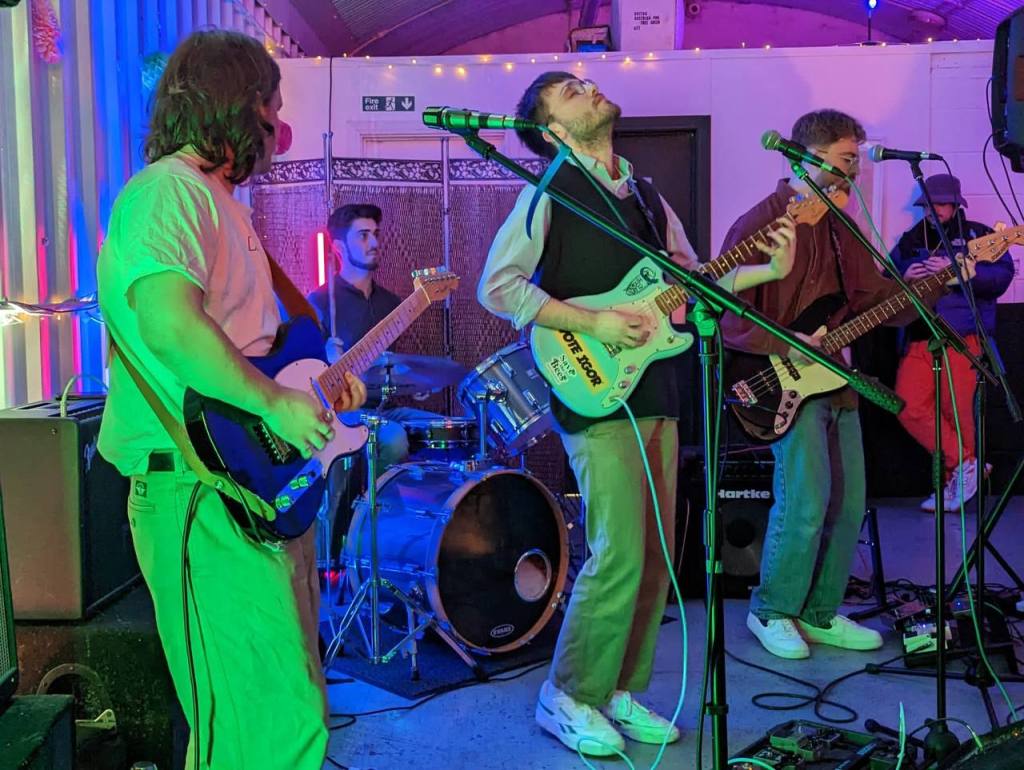
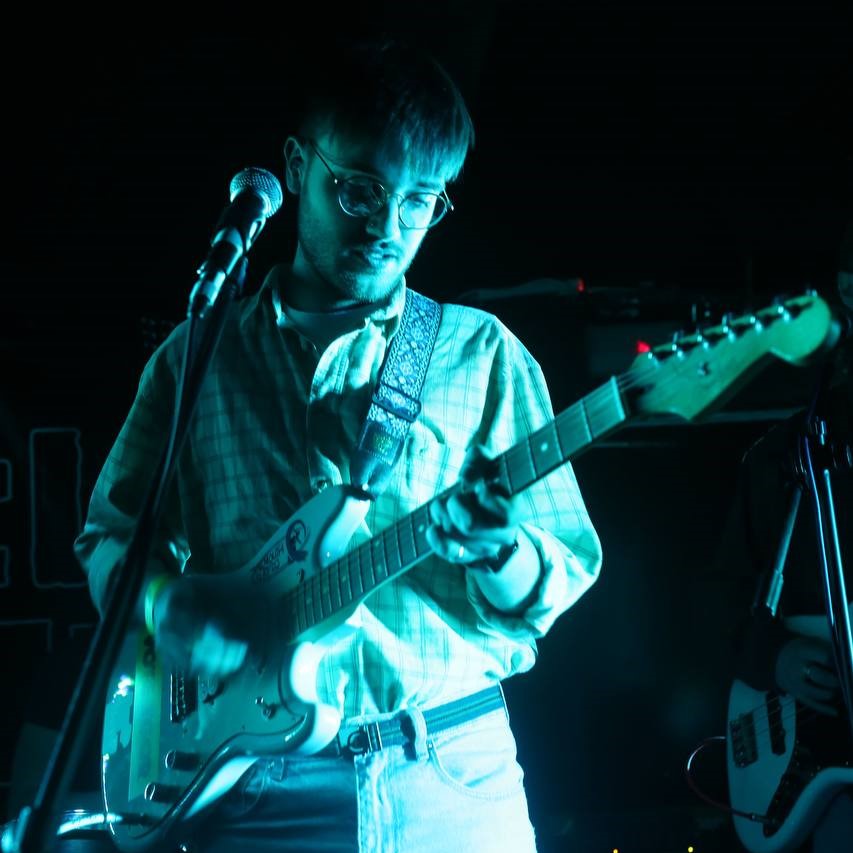
Each edition of Five Albums With… sees a guest walk us through the five projects that best summarise their personal music taste. Cameron Butler is a singer, songwriter and guitarist currently living in London. Having released a series of solo singles while attending school and university, including his biggest song ‘What A Pleasure‘, he now performs as the frontman of Daysaver (formerly Calendar Boy) – an indie-rock group consisting of friends from his hometown of Newcastle-upon-Tyne. Following the release of their first single as a unit, “Take It If You Want It“, he sat down with Record Scratch to discuss his influences, the group’s aspirations, and the music he grew up listening to.
1. Radiohead – A Moon Shaped Pool [2016, XL Recordings]

“Radiohead were introduced to me by a friend back in… I want to say 2017. I remember hearing the name and expecting them to be a heavy metal or rock band, and this friend was into metal at the time. He told me to listen to OK Computer and I was a bit apprehensive, but I remember putting on ‘Airbag‘ while I was on a walk and it completely blew me away. After that day, I had been listening to all the albums, apart from A Moon Shaped Pool. I never listened to it because I was so involved with Kid A, In Rainbows, Hail To The Thief, etc. Then I revisited their discography and saw AMSP, which never usually shows up on their most popular releases, so I thought “I’ll give this a go”, and it ended up being a combination of everything I loved about all their other albums. It was so melancholic, but there’s great upbeat songs on there, and some of Thom Yorke’s best songwriting, speaking of his wife’s divorce and everything happening in his life at that point.”
Radiohead are an interesting band because their discography is very much made up of two halves: you have albums more focused on traditional rock elements, and then more electronic and ambient-influenced albums. Do you have a preference for either style?
“The Bends, of course, is a fantastic solid rock album, and I really love that with OK Computer they started being a little more experimental, but it was with Kid A that I was like “I get this now”. I think that half of it – it’s electronic, it’s experimental, but it still has elements of natural instrumentation and unbelievable songwriting – that was more what drew me to them. This might be a crazy statement, but I think if they had just released those first few albums, I would have listened to them a couple of times over the years, but it’s because the more experimental albums exist that I’ve revisited all of their work so much.”
As of writing, A Moon Shaped Pool is the last album Radiohead have released. There are always rumours of a new record, but if their career ends here, do you think it’s a fitting send-off for the band?
“For sure. I think because of the break-up themes in the album, it kind of feels like the end of a relationship with the audience too, and in that way, it’s a great finale. Starting with the track ‘Burn The Witch‘ – it’s one of the greatest openers ever, and it got people being like “Yeah, this is Radiohead again. We’re back.” – but then the ending with ‘True Love Waits‘ just depressing everyone, I think it’s a very powerful send-off. Listening through it, there’s tracks you could pick out for a playlist, but it’s not one of those albums. It’s definitely meant to be enjoyed as a whole.”
“…it’s electronic, it’s experimental, but it still has elements of natural instrumentation and unbelievable songwriting…”
What are your opinions on The Smile (Thom Yorke and Johnny Greenwood’s latest side-project)?
“I’m not as keen. That’s all I’ll say.”
Can you point to any influence you’ve taken from the album?
“Absolutely. So, with [Daysaver], the music we create is always inspired by everything we listen to, even if it’s not completely obvious. With Radiohead, there’s always elements of pop, rock, electronic, folk, and those elements are what I take from it most. You know, you might make a very traditional indie-pop song, but as soon as you add a new sound, let’s say an organ for example, it’s just slightly different, and that’s what makes them work so well as a band. It’s the slight, subtle instrumentation and sounds that you maybe didn’t realise were there on a first listen. That’s the main influence they’ve given me.”
2. Ryan Beatty – Calico [2023, Elektra/Atlantic Records]

“I listened to this album when it came out, because I’d listened to his previous music but I wasn’t the biggest fan. I like Boy In Jeans, and I didn’t love Dreaming Of David, but when Calico released, I gave it a go because I really enjoyed [Beatty’s] feature on ‘SIERRA NIGHTS‘ by Kevin Abstract. Listening to this record, from the first few moments, I knew I was going to love it. It’s like folk-y ballads, indie, singer-songwriter, everything that I aspire to be is this album.”
“…Ryan Beatty is paving his own legacy with this record, and I think it has classic potential.”
It’s by far the most recent album on your list, releasing just a year ago. What was it that has made it such a landmark album for you in such a short time?
“I think in the day and age of streaming, it’s so easy to download an album and listen to it wherever you are compared to putting a CD or a vinyl record on. Nowadays, when I’m on a train or I’m driving somewhere, this is the album I’m always listening to, and it solidified itself into my rotation really quickly since it came out. I’ve been coming back to it a lot since, and it’s such a perfect combination of everything I was listening to prior to it. This is the peak of its genre, in my opinion, and the fact it’s so new is relevant because the production is so incredible and it would’ve been impossible to make an album that sounds like this 20 or 30 years ago.”
One thing that always stands out for me when I listen to Calico is how much it wears its influences on its sleeve, and how many other artists you can hear through it. Is there anyone else you’re a fan of that you hear in his music?
“That’s such a good question. I was very close to picking Cat Heaven by Roy Blair for this list, because I’ve listened to him a lot recently, and I think it’s an incredible album. Dijon has been making waves recently, and sprinkling himself into every album I listen to, like the new Mk.gee album and the new Matt Champion album, so he’s another person I hear in there. But I think personally, Ryan Beatty is paving his own legacy with this record, and I think it has classic potential. I don’t think anyone quite does it like he has, and I think he’d agree that his influences are from very recent times with his production and songwriting.”
Can you think of any other new records that have had as much of an impact on you?
“I mentioned the Mk.gee album earlier – Three Star and the Dream Police – and that was another close call for being on this list, because I find what he’s doing so new and exciting. I don’t remember his wording, but he described it as being nostalgic for something you’ve never heard. It’s very 80s-inspired, but he’s doing something different with the instruments and the sound of it. I think Calico has had a much bigger impact on my own music though – less so with the band, but more the music I make for myself.
3. Talking Heads – Speaking In Tongues [1983, Sire Records]

“Talking Heads are one of my dad’s favourite bands. I remember he used to always play Speaking In Tongues, Madness’ greatest hits, and London Calling [by The Clash]. Those were the three albums we had on repeat in the car whenever we were on our way to school. First hearing ‘Burning Down The House‘ gave me shivers. The vocals from David Byrne are incredible, and he’s such a unique singer who works so well with this kind of backing. I also truly believe that ‘This Must Be The Place‘ is one of the greatest songs ever recorded. It’s a fantastic piece of musicianship and a wonderful song. It must have been gifted to us by otherwordly beings.” *laughs*
There are so many notable records in the Talking Heads discography, and they’re all regarded very highly. Would you say it’s your nostalgia for this record that puts it above the others, or is it hotly contested for the top spot?
“Little Creatures is an album that I always return to. It’s hard to say [Little Creatures] is a lesser-known album when it’s by one of the biggest bands of the 80s, but the popularity of Speaking In Tongues is honestly part of why I love it, because my dad obviously wouldn’t be listening to it if it weren’t for the huge hits on it. Yes, the nostalgia definitely factors in, but it being their biggest album is apparent in the music. It wouldn’t be so huge if it weren’t so great.”
“…Speaking In Tongues, Madness’ Greatest Hits, and London Calling. Those were the three albums we always had on repeat in the car…”
Have you followed David Byrne’s solo career at all, or are you mostly interested in his work as a band leader?
“It’s unfortunate. I wish I listened to more of his solo stuff because I have listened to Grown Backwards and it’s a great album, but I can understand that he was wanting to remove himself from being “The Talking Heads Guy” in his own mind, and I don’t think that transition quite worked for me personally. However, in terms of the collaborations, I’ve listened to the Stop Making Sense covers that have been coming out lately. Big shout-out to Paramore for an amazing cover of ‘Burning Down The House’. I think they’re all great in their own way, and they all understood the assignment, but Paramore – that song just perfectly encapsulates their more modern sound and it’s exactly the kind of music I can imagine them doing for the next however many years.”
What about David Byrne’s ‘Hard Times’ cover?
*laughs* “Yeah, I have heard it. ‘Hard Times‘ by Paramore is a great song, and I think I’ll just leave it at that.”
4. The Beatles – The Beatles (White Album) [1968, Apple Records]

“I mean, the fact that it’s colloquially known as ‘The White Album‘ and everyone immediately knows what you’re talking about really does itself justice.”
No love for Weezer’s White Album, then?
*laughs* “As much as I’m a fan of Weezer’s music, I think perhaps The Beatles’ Self-Titled is a little more iconic.”
“The White Album represents both the best and worst parts of The Beatles, but in the best way possible musically.”
“This is my favourite Beatles record, and maybe nostalgia has a role in it, or maybe it’s because it’s widely regarded as one of their best. It’s one of those albums where, yeah, it feels pretty long, but personally speaking, there are no skips. I know some people disagree because some songs are… a little less pleasant on the ears than others (Number 9… number 9… number 9…) but I think for me, it all adds to the experience of the album as a whole, and the kind of music that they were foreseeing. It’s very ahead of its time and predictive. Nobody can argue that they’re one of the most influential bands of all time.”
The background to the album is notable too, with the differing paths the group wanted to go down at the time, and it seems like some people discuss that more than the music. Does the storied legacy behind the album affect your enjoyment at all, or is it just the art that interests you so much?
“The whole story behind The Beatles as a band in general is such an interesting story to tell, and the Get Back documentary of Disney+ is fantastic. It paints a great picture of how much chemistry they had while also showing how worn down they were becoming towards the end of their joint career. The White Album represents both the best and worst parts of The Beatles, but in the best way possible musically.”
It also balances the experimental side of the band and their mainstream appeal in a very smart way. Where on that spectrum would you say your own music lies, and which side of the album influences you more?
“That’s another good question. I think the overall musicianship of The Beatles is the leading inspiration for me, not necessarily the experimental elements of these albums, but that’s maybe because of a sense of self-doubt I have. It’s a question of “Can I pull these ambitions off as well as The Beatles did?” and the answer is absolutely not, but I don’t think it should stop people from trying. It’s more that there are some amazing concepts on this album that are very hard to replicate.”
Do you prefer Disc 1 or Disc 2?
“Personally, I think the first disc is just non-stop bangers. Speaking of amazing openers, ‘Back In The U.S.S.R‘ is a fantastic song, and it sets the tone for a disc that I think is definitely better than the second, but there’s not much in it between them.”
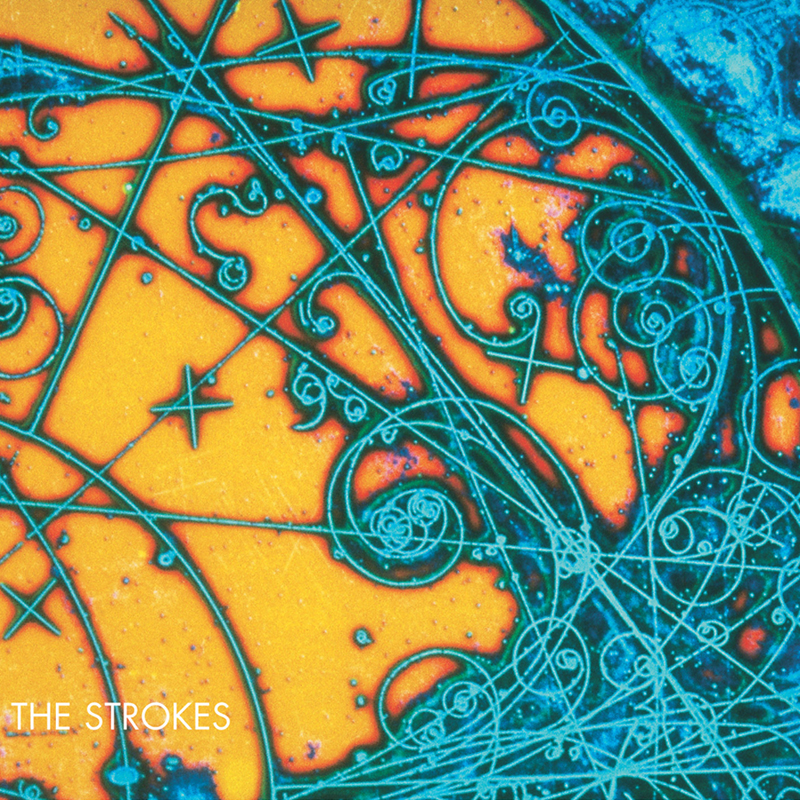
5. The Strokes – Is This It [2001, RCA/Rough Trade Records]

“One thing I learned recently is that the album cover for Is This It is banned in many countries. I didn’t know that, and I saw the alternate artwork for where it’s banned, and personally I much prefer it.”
“I’ll say it once more. In terms of amazing openers: the title track – one of the best bass lines ever written. It’s so groovy and comes in at the perfect time. Obviously, they’re an NYC-based band, but wherever you are, it makes you feel like you’re at home. It has such a way instrumentally that it feels as though everyone is playing their part in a larger machine, and they’re all very different roles but they meld together so well. Another recent discovery for me was that Julian Casablancas wrote every single song on this album down to each specific instrument, and I think he as a musician has become someone I strive to be like. He’s very classically trained in regards to music theory, and it shows in how simple but effective this album is.”
You’ve already mentioned Casablancas, but is there any particular part of this album that stands out to you? What does your mind jump to when you think of Is This It?
“I think for this album specifically, it’s the vocals. They’re so low down in the mix with the sound they were opting for, and it treats Julian’s voice as an instrument. I think it’s beautifully done throughout this album. Besides that though, it’s definitely the bass. There are wonderful bass lines throughout, and they’re often so simple but they’re great at moving the song forward and pushing you into the next section. It always seems to be the bass that carries the rest of the accompaniment through each track.”
You brought up the connection between New York and The Strokes, and it’s clearly an important part of their identity as a band, but your group seems to have a similar connection to Newcastle-upon-Tyne (Daysaver is named after a ticket available on the Tyne & Wear Metro). Do you think living in the city influenced your music at all?
“I think anyone makes music differently depending on where they grew up or where they are, for sure, but I’d say the music you listen to is more important to shaping that identity than any geographical location. Back in the early 2000s, The Strokes were listening to New York-based bands, since it was likely what they had the most access to at that age, which definitely shaped their sound to make this album. Nowadays though, I think you can be inspired by anything and everything with how readily available music is, and I’m not sure it quite has the same effect as it used to. I take pride in being from the North East and being a Geordie, but I don’t know necessarily that it reflects in the music I make and our decisions as a group.”
In that case, do you have any surprising musical influences, or any that aren’t immediately obvious in your work?
“My music taste is very eclectic. I listen to pretty much anything and everything, and if there’s ever new releases that get any buzz, I’ll jump on it no matter who made it or what genre it is. I think everyone should give everything a go. [Take It If You Want It] did take a lot of influence from The Strokes, and Arctic Monkeys, that kind of era of indie, but we were also getting in the headspace of… “what if you could hear shoegaze?”. We wanted chorus guitars and the fundamentals like that, but not drenched in reverb or pedal effects, and I guess that’s partly influenced by bands like Alvvays. They’re not necessarily shoegaze, but they definitely draw from it without crossing over into that genre, so sort of the dream-poppier side of that sound. But also, in the bridge, we’d added an organ after recording everything. It’s quite far down in the mix, but if you listen out for it, it’s there. That wasn’t just inspired by Ryan Beatty, but also things like gospel music. The refrain was obviously inspired by a lot of indie-pop, and so on and so forth. Anything and everything that we listen to is on this track.”
Written by Max B
‘Take It If You Want It’ is available to stream now on Spotify.
 Record Scratch